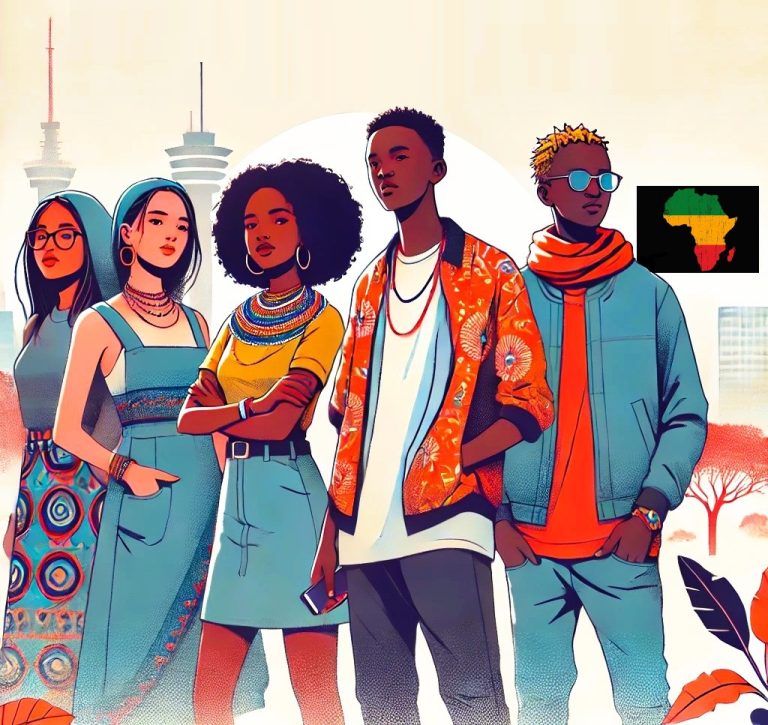
The Crucible was founded by a team of four women, all professionals and experts in their various fields. They first purposed to provide mentorship to young gen Z nation-builders in Kenya who were facing violent backlash for standing up against a system that did not work for them as citizens who wanted to feel the warmth of belonging.
Care
The spirit of motherhood, mentorship and scholarship expanded naturally to offering specialized intellectual training. The Crucible Institute was born. The founders were not going to let this young generation get disappeared into despondence and surrender. Their brave stand-up had gathered admiration across the globe. They were not going to become a mere moment in forgotten histories.
Mind
The idea that young people are powerful enough to take down a rogue government if they purposed to do so was immediately countered by the question of their mental and intellectual preparedness. Would they be ready to take the reigns of political power in a country that is already theirs to lead? The Crucible founders determined to give them the intellectual tools they would need to be ready. This scenario has been true across several African countries where the youth have been rising up against rogue regimes. As a necessity, a Pan-Africanist approach has became imperative to the Crucible coursework.
Space
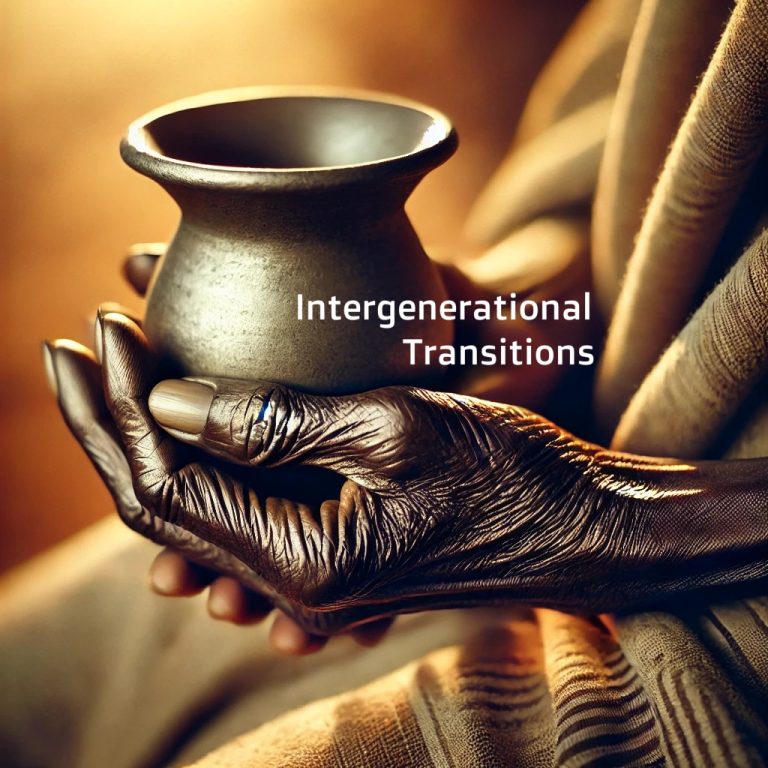
The Crucible founders set up to provide the space, guidance and partnerships needed for rigorous and competent intellectual inquiry. The idea was forged to grow the most promising young leaders, bring some balance into their emotional health and provide lessons in understanding the craft of nation-building. What was envisioned was a space that would fire up a select group of young minds in the same manner a crucible is used for melting the right ingredients in to medicine.
A central component to the Crucible’s goal is its coursework that covers important areas of study for select change makers, and provide space to engage in the arts and public inquiry towards collecting belonging.